Dynamic Roughing Dependency
Evaluating how high-efficiency dynamic milling passes alter baseline stock volumes, fixture loads, and downstream feature sequencing in modern CAM setups.

Dynamic Roughing Toolpath Audit
High-feed dynamic roughing alters part geometry and residual stresses before any semi-finishing cutter engages. This review identifies stock model tracking failures, tool deflection risks, and sequential dependencies across complex multi-feature pockets and datums.
Machining Parameters & Framework
Baseline criteria evaluated to ensure that dynamic roughing toolpaths correctly support subsequent profiling, slotting, and finishing passes.
| Applicable Platform | Mastercam 2024–2026 (Dynamic Motion Engine) |
|---|---|
| Feature Geometry | Deep cavities, thin rib walls, stepped bores |
| Stock Model Verification | GPU-accelerated intermediate volume analysis |
| Engagement Limits | 7% to 15% constant radial tool engagement angle |
| Clamping Analysis | Lateral cutting force and fixture rigidity validation |
| Delivered Documentation | Sequence audit report, stock model guide, PDF map |
Stock Flow & Precedence Rules
Upstream material bulk removal fundamentally alters boundary conditions for finishing tools, hole coordinates, and datum retention.
Managing Dynamic Engagement and Deflection
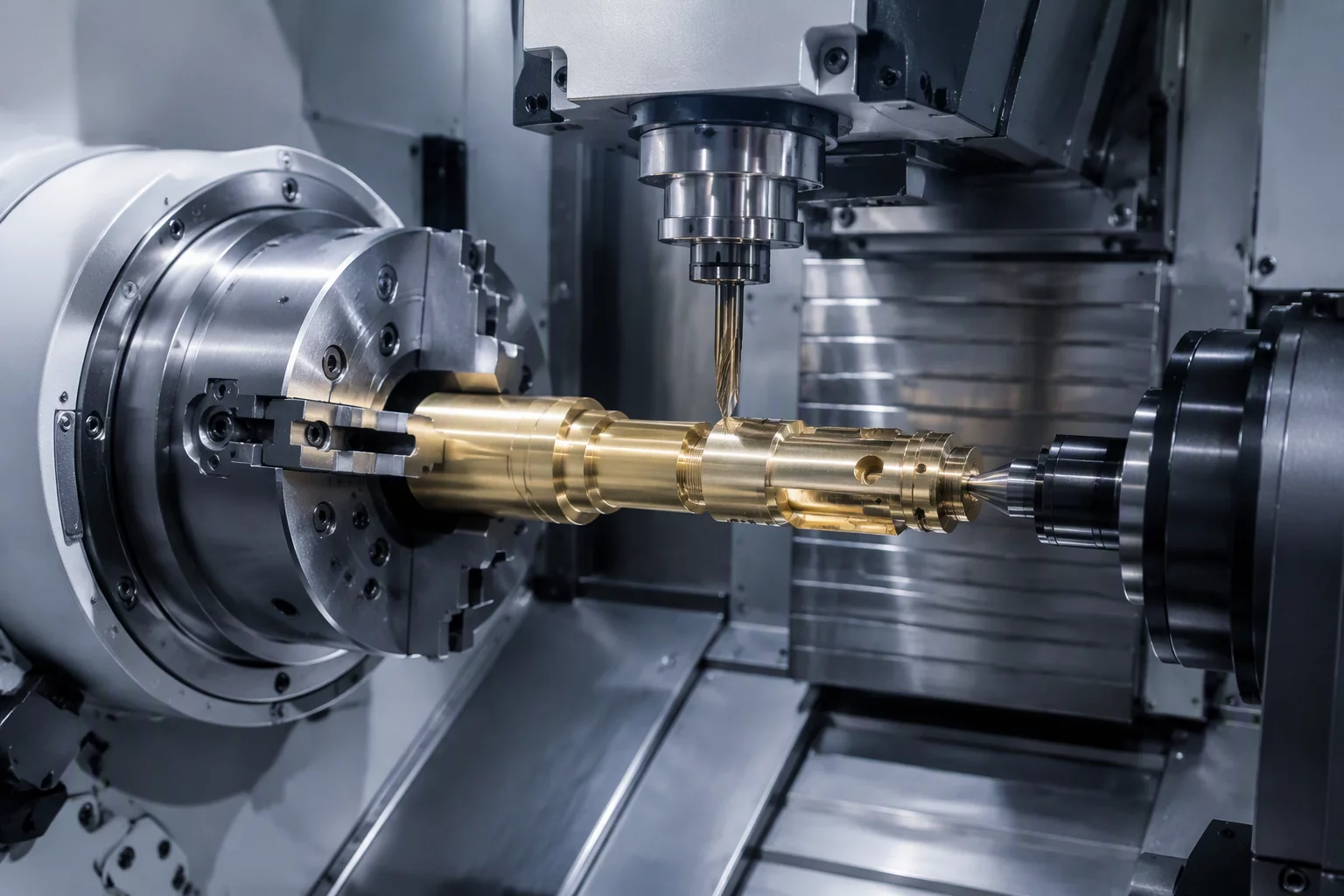
High-speed dynamic motion distributes cutting forces along the entire flute length, reducing cycle times but creating substantial lateral forces against raw stock borders. If downstream pocketing or drilling operations rely on unverified stock boundaries, tools encounter sudden air cuts or heavy plunge shocks. Verifying the dynamic roughing state prevents catastrophic cutter breakage during secondary operations.
- Continuous stock model updates maintain accurate engagement boundaries for rest roughing and semi-finish cutters.
- Elimination of cusp-related tool deflection on deep cavity sidewalls prior to high-tolerance boring cycles.
- Prevention of heat buildup and localized residual stress accumulation across thin-walled structural geometries.
Harmonizing Roughing and Downstream Operations
Programmers frequently rough all pockets in one single group before establishing critical datum bosses. When thin features lose surrounding bulk support too early, chatter and vibration propagate throughout later passes. Our analysis establishes strict precedence rules: roughing zones must respect wall thickness limits, stress relief resting periods, and intermediate probing sequences before committing to final contour profiles.
Delivery & Commercial Terms
Streamlined collaboration designed for independent machine shops, tooling suppliers, and engineering contractors.
Expedited 48-Hour Review
Once your native CAD files or sequence notes arrive, our engineering team executes a deep toolpath dependency audit and delivers complete step-by-step documentation directly to your inbox.
Engagement & Guarantee
Transparent fixed-scope engagement covering model evaluation, access pathway audit, and sequence reordering recommendations without recurring retainers.
Connected Analyses
Explore adjacent CAM sequencing reports to strengthen programming efficiency across turning, drilling, and geometry selection workflows.

Request More Information
Submit your workpiece details to request more information about this operation analysis module.
Elevate Machining Accuracy & Tool Life
Eliminate air cuts, tool deflection, and programming bottlenecks with our engineered sequence audits.