Eliminating Upstream Tolerancing Drift in Multi-Feature Setups
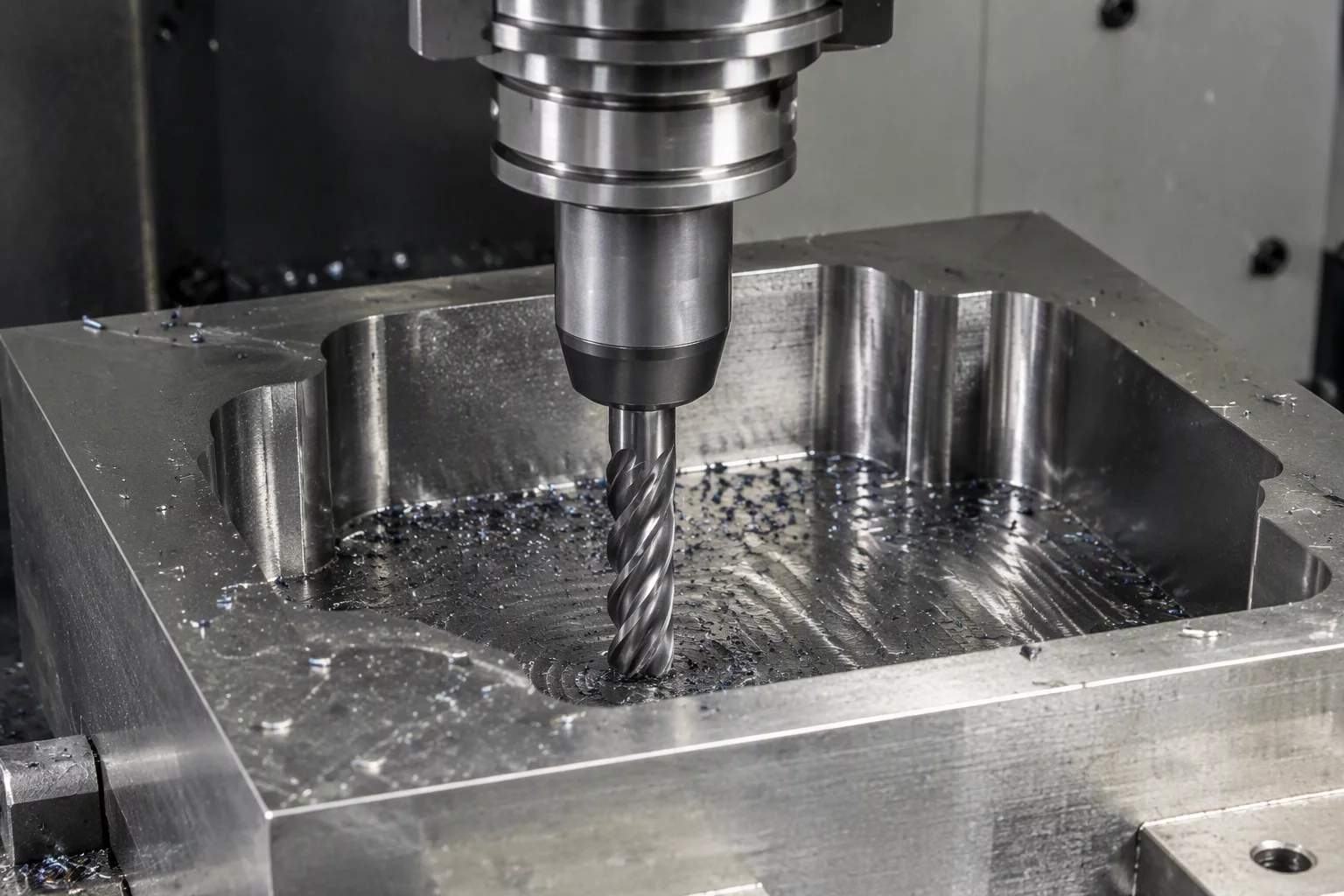
When a coordinate feature relies on a mating face or bore center for its true position, cutting the dependent element first locks in raw stock errors. In modern Mastercam workflows, sequencing the reference feature first guarantees consistent probe offsets, predictable tool engagement, and rigid clamping boundaries across consecutive operations.
Feature Dependency Matrix
Operational dependencies dictate cut order to maintain GD&T drawing tolerances across successive operations.
| Parameter | Reference Value | Operational Dependency |
|---|---|---|
| Primary Datum Face | Face Mill Ra 0.8 µm | Must precede all Z-depth pocketing and peripheral contouring |
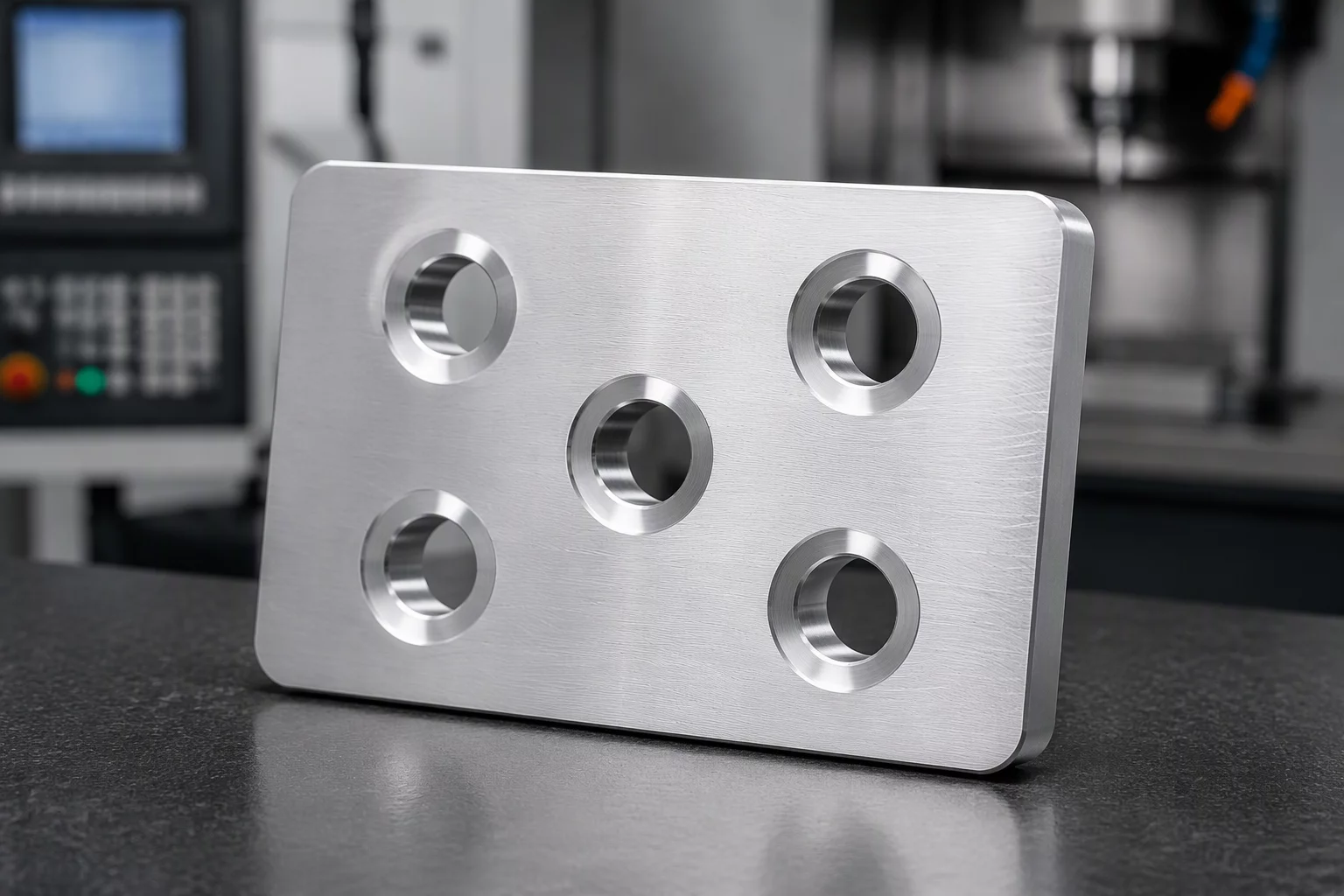
| Locating Bore Center | Semi-finish bore Ø25.005 mm | Reference for secondary bolt pattern and perpendicular slots |
| Counterbore Depths | Bottom datum offset -12.00 mm | Dependent on finished face; roughing before face cut causes depth variation |
| Intersecting Cross-Hole | True position 0.02 mm to Datum B | Ream main bore first to avoid drill deflection and burr trapping |
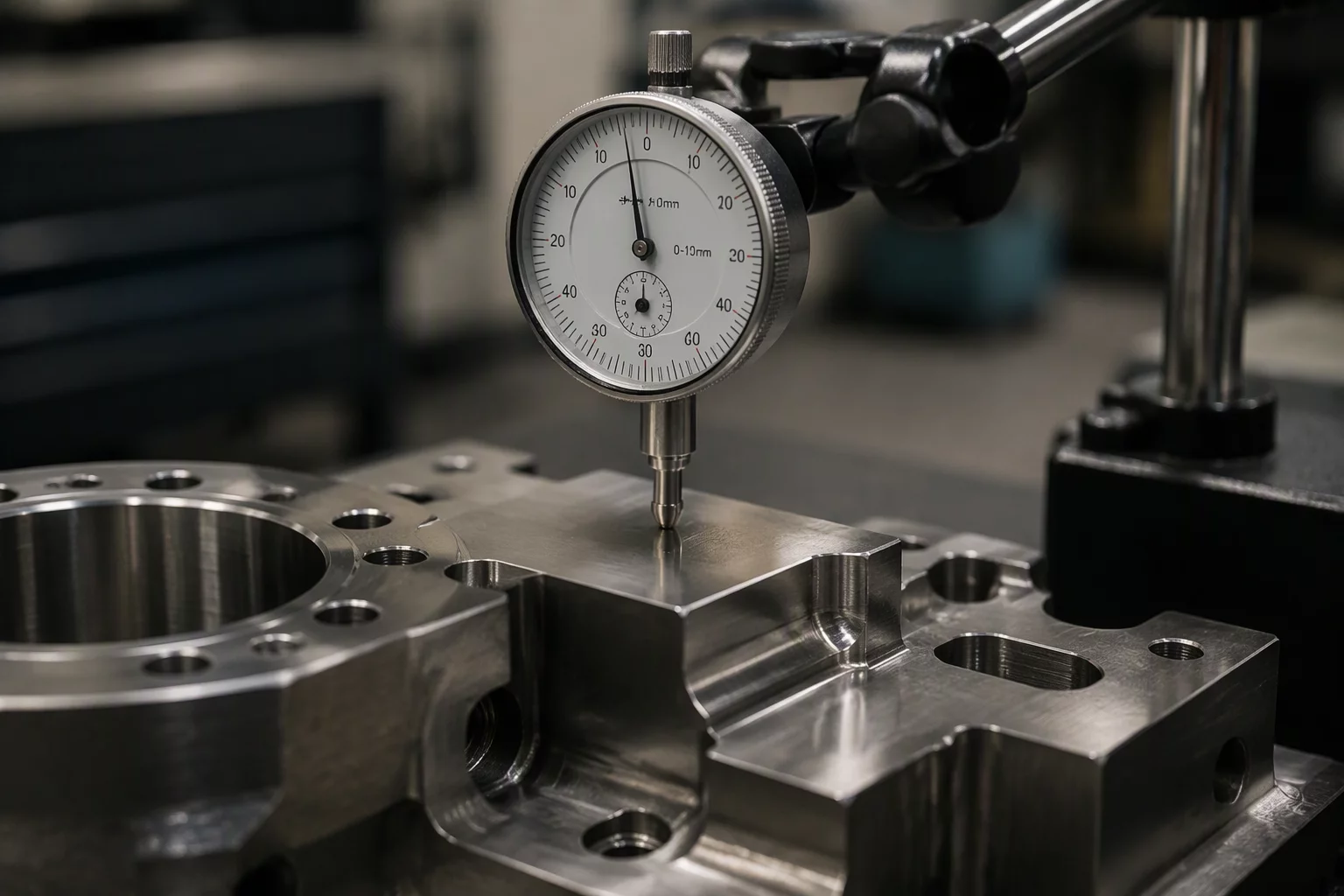
| Fixture Clamping Land | Parallelism within 0.01 mm | Establish before applying full vise pressure on secondary features |
3-Step Reference Sequencing
Execute features in strict hierarchical order inside Mastercam toolpath manager trees.
Qualify Master Datums
Face mill and interpolate primary locating surfaces in the initial setup. Probe surfaces to verify stock distribution before creating dependent profiles.
Lock In Secondary Locators
Machine precision dowel bores and alignment edges while the workpiece maintains maximum stiffness, securing clean touch points for coordinate updates.
Clear Dependent Geometry
Pocket, slot, and drill secondary details referencing the newly qualified geometry. Tool wear or deflection in these cuts cannot corrupt the master datum.
Critical Implementation Factors
Key operational checks every CAM programmer must enforce during toolpath planning.
Resolve Feature Sequence Bottlenecks
Uncover hidden tool collision risks and setup redundancies with our in-depth operation analysis.
Related Sequencing Studies
Explore how setup dependencies and tool ordering impact multi-axis machining reliability.