Pocket Geometry Shift Alters Secondary Feature Feasibility
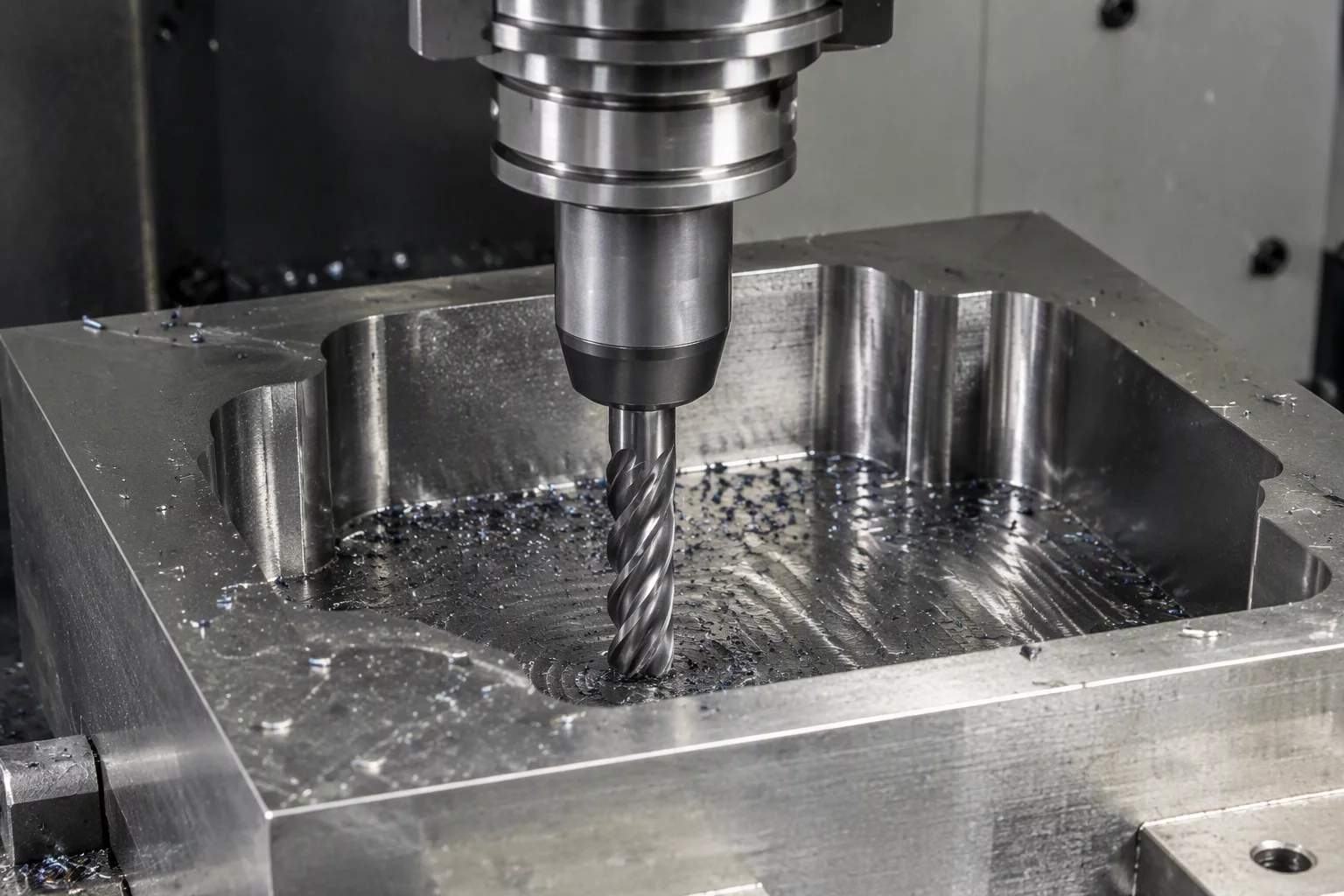
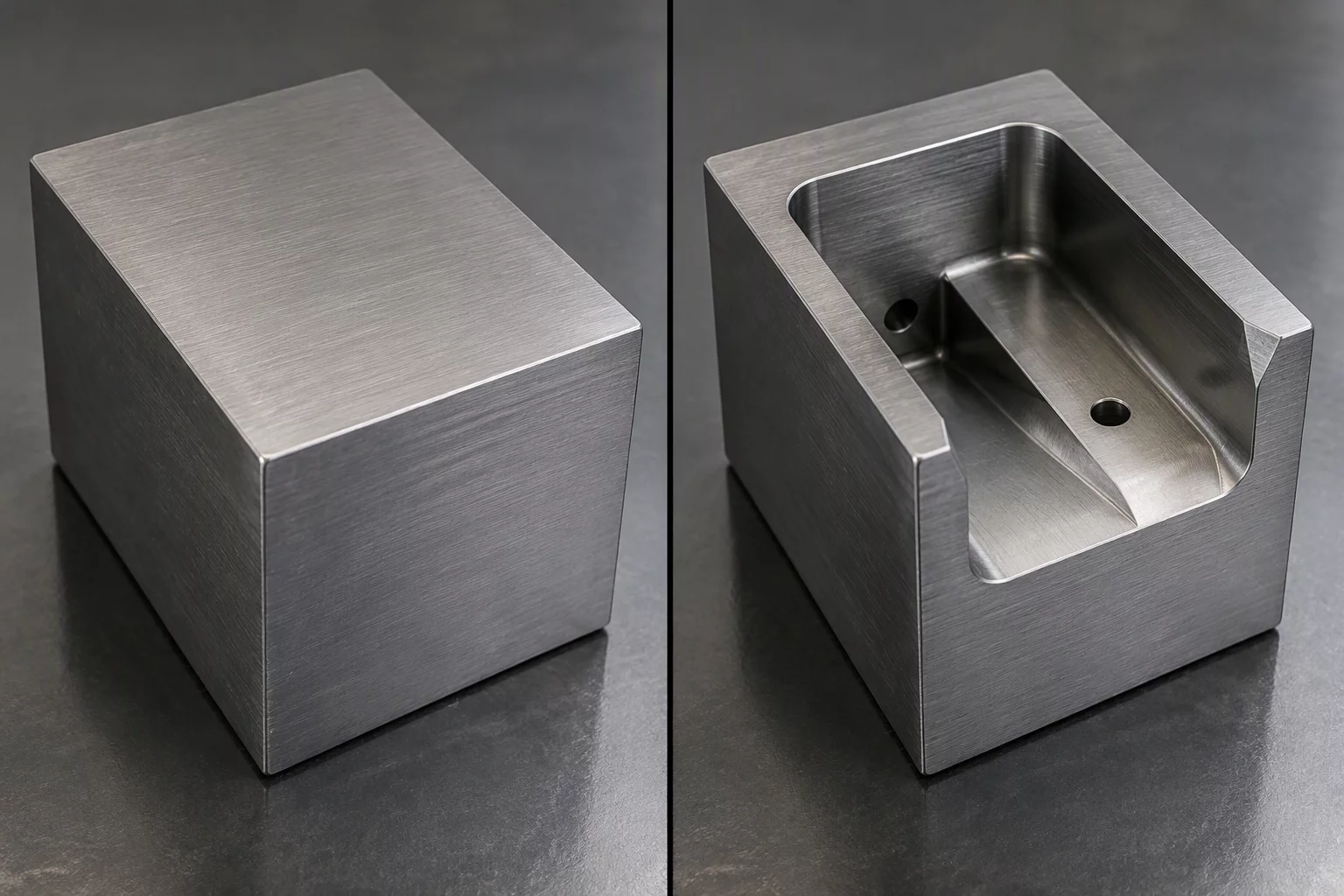
When pocket roughing takes place ahead of internal secondary features, the available tool shank clearance and approach angles shift radically. In multi-axis machining, cutting the primary cavity first eliminates stock that would otherwise cause toolholder collisions. However, removing too much raw stock prematurely reduces part rigidity needed for precision cross-hole boring. This case study details how to sequence pocket roughing and finish passes without sacrificing tool reach or dimensional stability.
Pocket Removal Access Metrics
Quantitative tool engagement, deflection rates, and clearance parameters under pocket-first vs bore-first scheduling.
| Parameter | Reference Value | Operational Dependency |
|---|---|---|
| Shank Clearance Delta | +4.15 mm | Pocket clearing removes bulk stock allowing shorter collet projection |
| Tool Overhang Ratio | 2.8x D vs 5.2x D | Enables standard length carbide drills rather than extended aircraft drills |
| Radial Wall Deflection | 0.008 mm max | Cross-boring before pocket finish prevents thin-wall springback error |
| Angular Approach Freedom | ±26° Multiaxis Tilt | 5-axis head clearance expands after top cavity dynamic clearance |
| Verification Cycle Time | 1.4s (GPU Accelerated) | Mastercam 2026 hardware-accelerated toolpath collision verification |
3-Step Sequence Verification Protocol
Step-by-step diagnostic workflow to determine whether to rough the pocket before dependent hole cycles.
Intersecting Volume Inspection
Overlay solid body cross-sections to find where pocket boundaries intersect secondary hole centerlines and tool holder sweeps.
Dynamic Tool Projection Check
Calculate minimum cutter stick-out with and without stock cavity clearance to avoid chatter from long overhangs.
Setup Rigidity Balancing
Confirm remaining wall thickness sustains clamping pressure and cutting force during secondary hole machining without flutter.
Technical Reference Package
Included project files, geometry models, and simulation parameter sheets for this case.
Need Dedicated Operation Sequence Optimization?
Submit your part configuration to analyze tool interference, reference datum succession, and cycle time bottlenecks.
Explore Adjacent Toolpath Sequencing Cases
Compare related setup, tool access, and datum dependency engineering studies.