Hole Style Configuration Cases
Systematic evaluation of holemaking sequence dependencies, depth groupings, and clearance boundaries across mixed hole families.
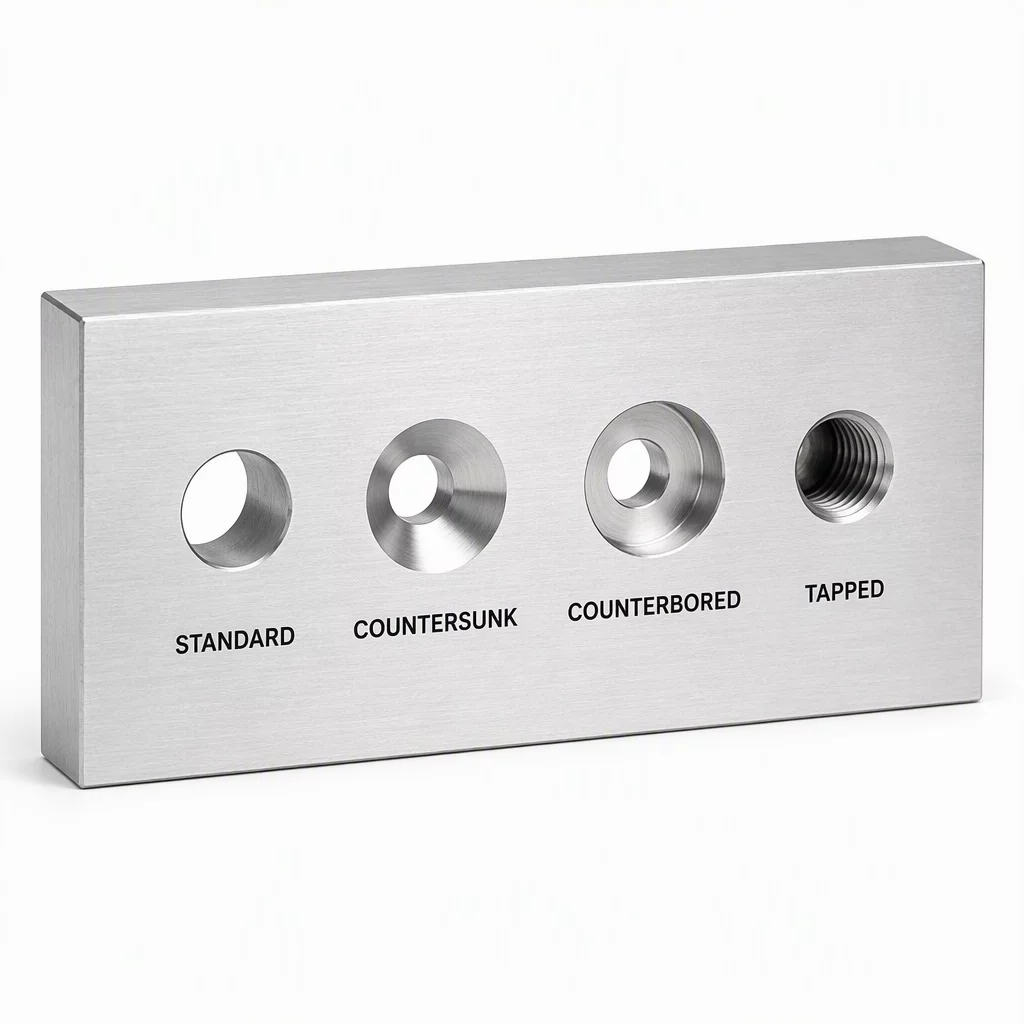
Hole Style Configuration Cases
Configure robust holemaking sequences across complex step-drilled, tapped, counterbored, and reamed geometries to eliminate tool collisions and optimize cycle execution.
Configuration Parameters
A structured matrix showing key variables addressed in this operation analysis case study.
| Primary Scope | Holemaking Sequence Optimization & Tool Sorting |
|---|---|
| Geometry Styles | Blind Taps, Counterbores, Stepped Bores, Reamed Dowels |
| CAM Platform Reference | Mastercam 2026 Solid Hole & Advanced Drill Cycles |
| Tool Access Constraints | Holder Proximity, Pre-Drill Clearances, Step Overlaps |
| Analysis Lead Author | Lisa Ray, Senior Manufacturing Process Specialist |
| Deliverable Format | Step Sequence Blueprint & Dependency Resolution Brief |
Critical Hole Style Dependencies
Understanding how individual hole configurations influence tool access and stock removal progression.
Reconciling Multi-Stage Hole Geometries
Machining complex components with multiple hole classifications requires strict adherence to physical geometry dependencies. When counterbores, thread reliefs, and reamed locating pins populate the same workpiece face, grouping solely by cutter diameter frequently damages datum precision. The sequence must respect pre-drilled wall structural integrity before applying aggressive counterboring operations.
- Establishing datum counterbores prior to final bore finishing protects surface flatness.
- Pre-drilling core holes before milling intersecting cross-ports prevents drill deflection.
- Consolidating spot drills by tool tip angle avoids secondary chatter and micro-chipping.
Avoiding Downstream Tool Collision In Deep Pockets
A frequent error occurs when secondary hole features situated at the bottom of steep cavities are drilled prior to widening top clearance channels. By mapping tool reach limitations alongside spindle clearance hulls, this case analysis determines the optimal intervention point for spot drills, peck drills, and thread mills across multi-level prismatic castings.
Delivery & Advisory Scope
Everything included within this single-workpiece hole style analysis report.
Formal Sequence Audit Report
Complete breakdown of operations, suggested tool grouping orders, and step-by-step dependency notes delivered in digital PDF documentation within 24 business hours.
Engagement & Guarantee
Transparent fixed-scope engagement covering model evaluation, access pathway audit, and sequence reordering recommendations without recurring retainers.
Associated Analyses
Explore related sequencing case studies focusing on roughing dependencies, mill-turn indexing, and geometry selection.


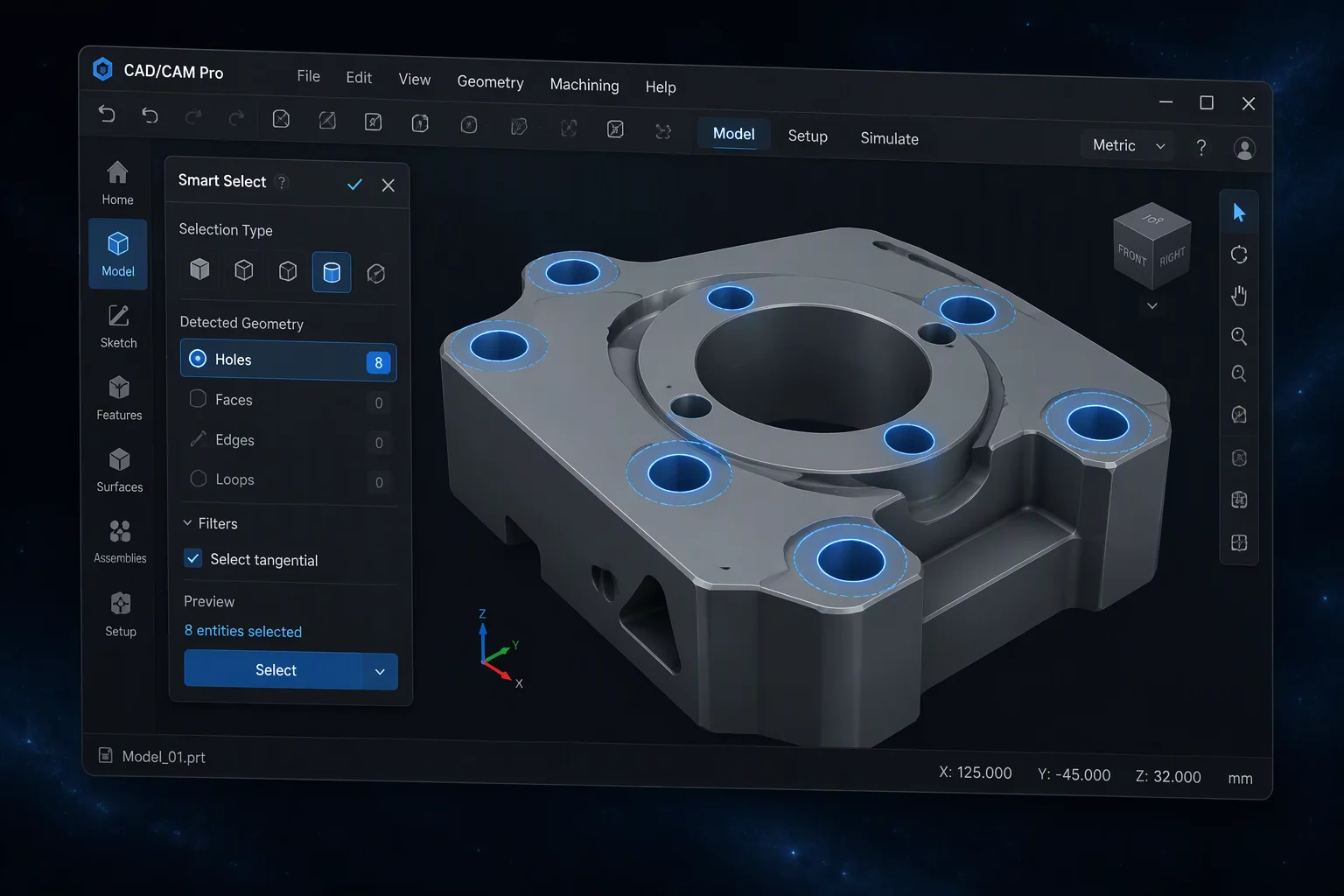
Request More Information
Submit your workpiece details to request more information about this operation analysis module.
Need Custom Sequence Evaluation for Complex Casings?
Send your part geometry or process setup sheet to identify hidden access conflicts and reduce total machine cycle times.