Nominal Dimensions Hide Critical Rigidity Deficits
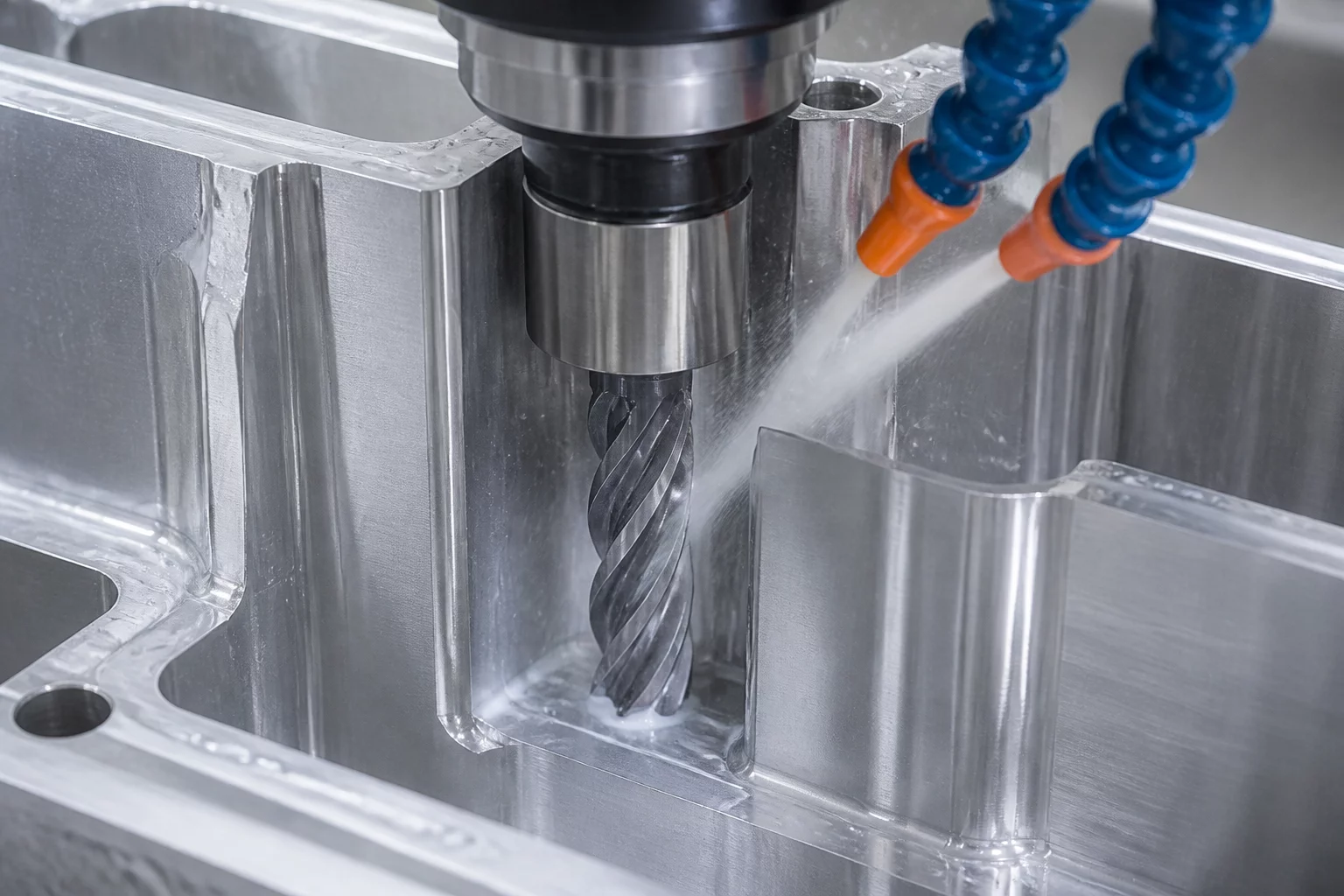
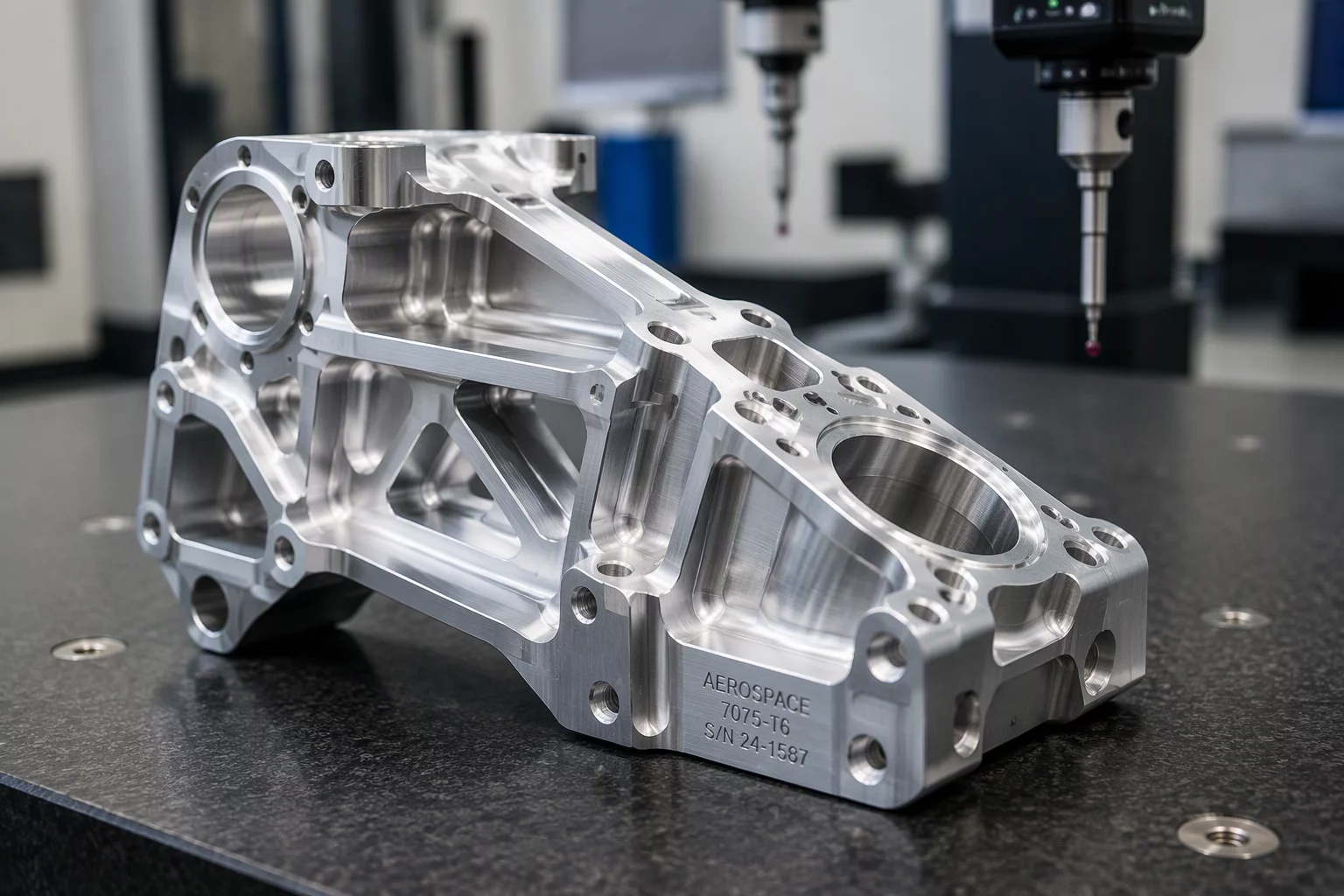
The first article measured within design specifications on the coordinate measuring machine, yet the production run collapsed into erratic scrap. Removing core stock prematurely hollowed out structural rigidity before deep pocket clearing, leaving unsupported thin ribs to flex under normal tool pressure. Reorganizing the operation tree preserves the workpiece envelope, stabilizing cutter engagement and guaranteeing repeatable part geometry across multi-piece fixtures.
Sequence Stability Metrics
Detailed engineering breakdown comparing nominal inspection success with production instability factors.
| Parameter | Reference Value | Operational Dependency |
|---|---|---|
| Residual Rib Thickness | 1.65 mm | Milled before opposing cavity roughing, allowing severe harmonic chatter |
| Clamping Contact Surface | 42% of stock area | Reduced during OP2 facing, causing micro-slippage under dynamic loads |
| End Mill Stickout Ratio | 5.2:1 L/D | Extended reach chosen to clear premature bosses instead of stub tools |
| Datum Plane Flatness | 0.008 mm TIR | Distorted by localized stress relief after deep slot roughing sequence |
| Bore Axis True Position | 0.025 mm | Pushed to the outer tolerance limit due to secondary clamp relaxation |
Restructuring the Feature Sequence
Follow these three steps to turn an unstable machining routine into an uncompromising production process.
Preserve Envelope Mass
Retain peripheral material and thick datum walls as late as possible so the component absorbs cutting vibration during aggressive roughing passes.
Balance Cutting Pressures
Alternate toolpath passes on opposite faces of slender webs, equalizing internal material stresses and avoiding cumulative wall deflection.
Isolate Final Finishing
Execute high-precision bore and datum finishing only after un-clamping and re-torqueing the component to relieve accumulated residual stresses.
Included Sequence Data Assets
Reference files and analytical models accompanying this case study report.
Audit Your CNC Feature Hierarchy
Identify hidden sequencing traps and fixture flex before moving cutting tools onto your machining centers.
Complementary Sequencing Cases
Explore how individual feature decisions impact access, tolerance accumulation, and fixture integrity.