Spatial Encroachment from Uncut Residual Stock
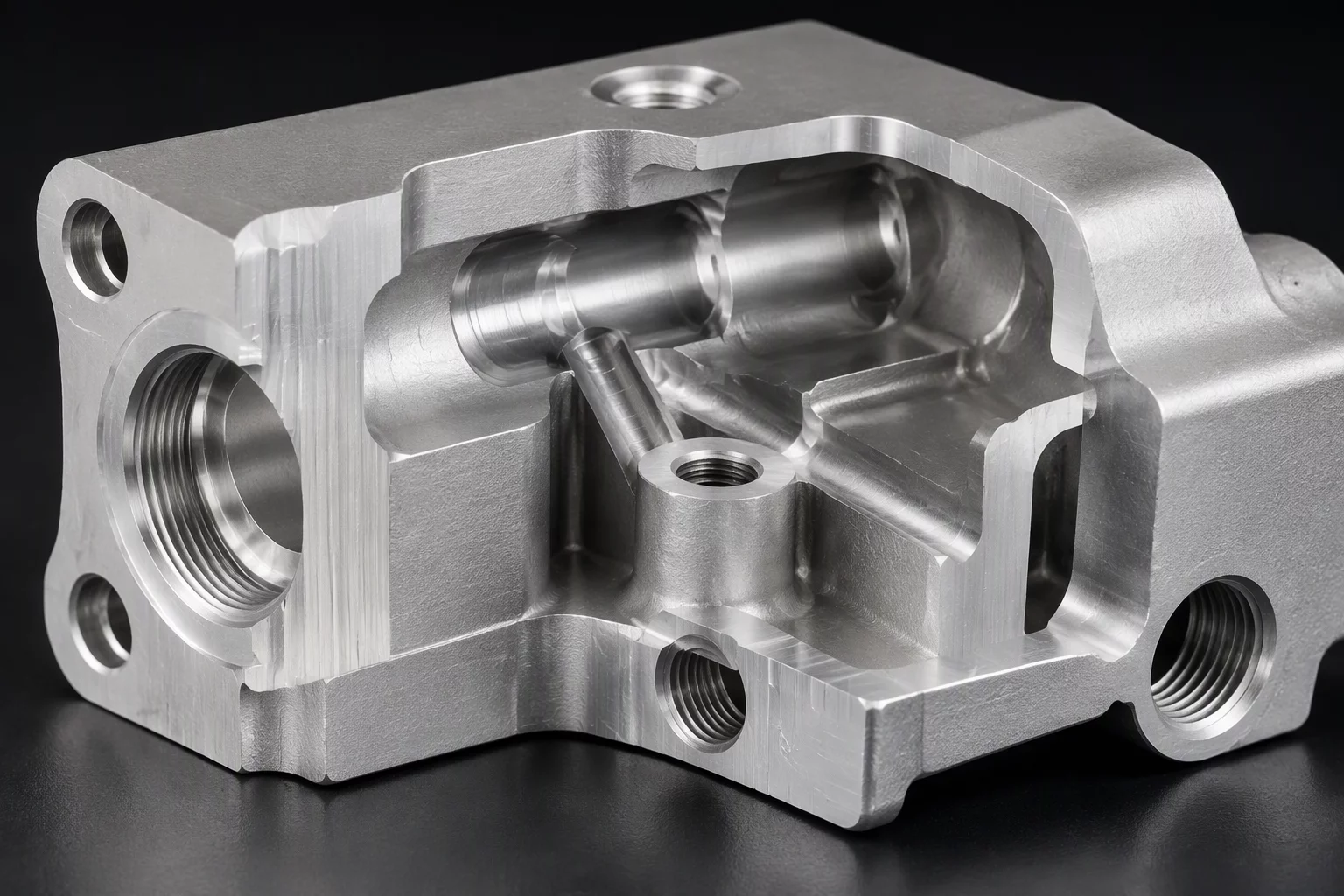
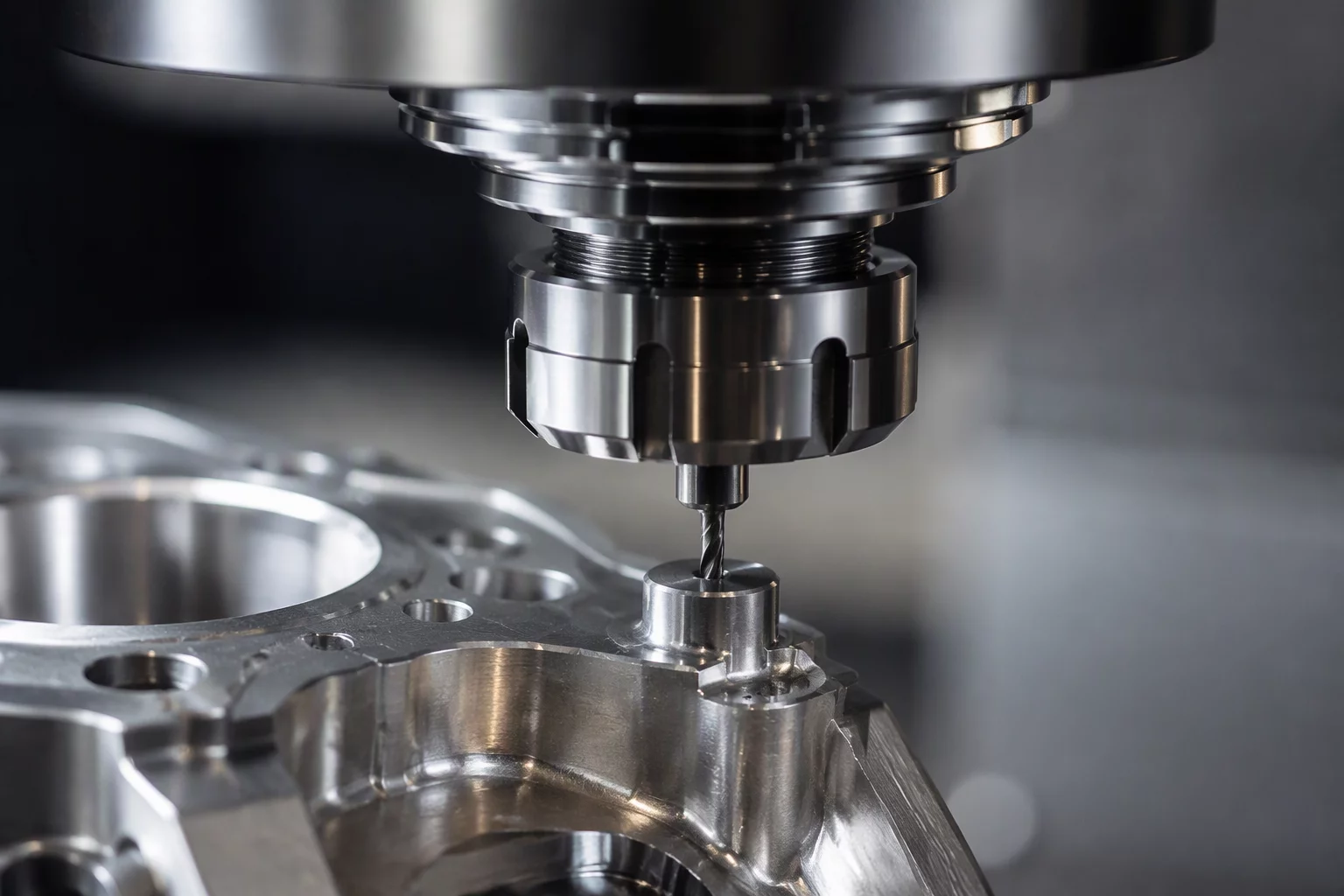
Drilling blind or tapped holes while surrounding stock remains untouched forces programmers into excessively long toolholder extensions. Removing pocket volume or preliminary perimeter steps first lowers the clearance floor, completely opening safe line-of-sight paths for standard-length drills and rigid collet chucks.
Geometric Sequencing Parameters & Access Impact
Detailed physical metrics demonstrating why hole-first versus cavity-first planning alters spindle clearance dynamics.
| Parameter | Reference Value | Operational Dependency |
|---|---|---|
| Toolholder Overhang Ratio (L/D) | 2.4:1 (Cavity First) vs 5.8:1 (Hole First) | Drilling into untouched solid stock requires an extended tool length to clear adjacent raw bosses, worsening radial chatter. |
| Rapid Traverse Elevation | +3.0 mm floor offset vs +38.0 mm top of billet | Pre-clearing side envelopes allows retract planes to drop drastically, shortening cycle time across distributed hole groups. |
| Collet Nose Radial Gap | 1.5 mm minimum required dynamic margin | Bulky hydraulic chucks contact stepped raw billet walls if perimeter profiling is deferred until after drilling. |
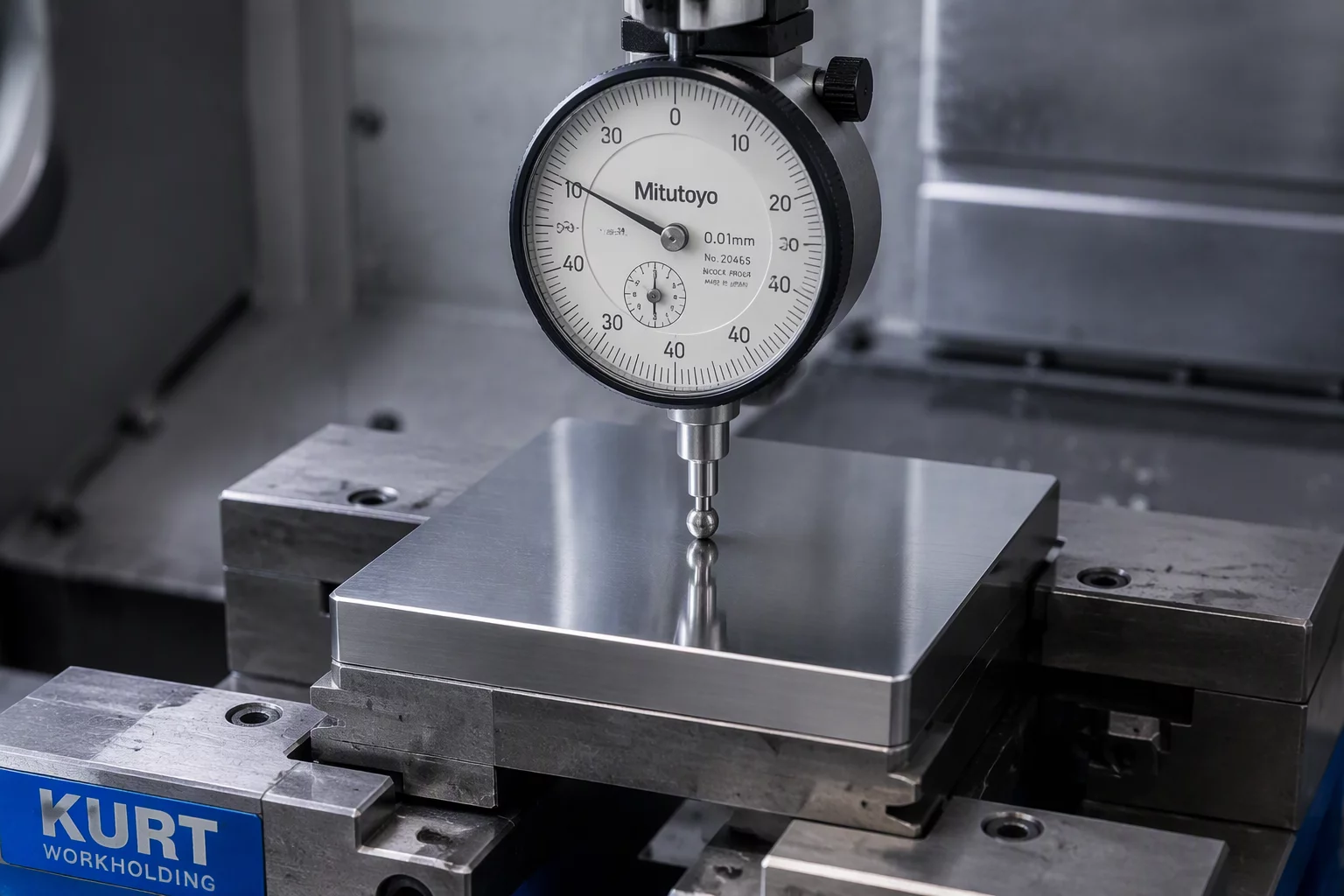
| Bore Entry Surface Squareness | Perpendicular within 0.03 mm TIR | Spot drills skid across tilted raw casting drafts unless flat spot-facing operations precede center-hole penetration. |
| Downstream Datum Reliability | True position within 0.015 mm GD&T | Bulk material removal introduces localized stress relief that warps finished hole centerlines machined at initial setup stages. |
Three Steps to Verify Feature Accessibility
Implement this structured evaluation routine before confirming hole toolpaths in your CAM sequence tree.
Project Residual Stock Boundaries
Inspect dynamic in-process stock models right before the proposed hole operation to reveal unmachined vertical walls and high islands.
Simulate Toolholder Assembly Contours
Import genuine manufacturer 3D profiles of your collets, extensions, and spindle noses rather than relying on cylindrical tool approximations.
Reorder Surrounding Pockets Ahead
Drag dynamic pocket roughing above spot drilling in the operation tree whenever toolholder taper margins fall below 2.0 mm.
Core Diagnostic Elements in This Case Study
Comprehensive breakdown of physical interference variables and sequencing alternatives cataloged in this study.
Resolve Feature Access Conflicts Before Machine Setup
Review our comprehensive operation analysis methodology to audit spatial tool clearances and avoid costly machine crashes.
Related Sequence & Datum Analyses
Examine adjacent technical studies illustrating feature order impact on access and setup precision.